

The most use I have had for a coated fabric is to make my apron – it is super useful. I just have to wipe it off and it comes out clean, because of its slick surface. Coated fabrics are fabrics that have been coated with a layer of special protective finishes. They are covered with a protective layer such as polyurethane (PU), polyvinyl chloride (PVC), PTFE (Teflon-type finishes), silicone, wax, or specialized resin coatings. A uniform coating is given on the surface (back or front) of different types of fabrics for functional and decorative purposes.
For sewing coated fabrics, use a size 90/14–100/16 Microtex needle, 3.0–3.5 mm stitch length, reduced presser-foot pressure. One very important advice I can give from my experience is to avoid high ironing temperatures because you know about plastic and heat. Just dial down the heat a little down and if you have to press press from the back where there is no coating. The excessive heat from the iron can damage or separate the coating layer. And what is a coated fabric without the coating.
Functions and characteristics of coating
The coating improves water resistance, wind resistance, abrasion resistance, stain protection, or flame resistance.
The most important advantage of coated materials is their wind and water repellency.
Increased strength, and durability are other important functions. As these coating provide one additional layer on the surface of the fabric, this makes the fabric last longer.
Other purposes of coating include corrosion prevention, stain resistance and even fire resistance.
Protective uniforms of policemen and other such occupations, rainwear, curtains that protect against water, and strong wind, table cloths, placemats, hats, bags, upholstery – there are no end to the uses of coated fabrics in our everyday lives.
The coating materials usually give the fabric a shine but it can also be mat.
They are usually very dense and thick materials – you cannot expect it to be like other woven and knit materials. But at the same time they are flexible enough for a variety of uses.
Usually the dense coating prevents the fabric from breathing. But today there are breathable coated fabrics also.
Different types of Coated fabrics
Not all coated fabrics are the same. Here are what I would use each fabric for:
| Project /Use | Coated fabric Name |
|---|---|
| Clothes | Matte PU or waxed cotton |
| Water proof Bag, lining | Laminated fabric or PVC |
| Outdoor performance jacket | Silicone-coated or PU |
| Fashion bag | Waxed cotton |
| Children’s bib or waterproof mat | Laminated fabric |
| Garden cushion or awning | Acrylic-coated canvas, Vinyl-Coated Polyester |
Fabrics with polytetrafluoroethylene finish
These are materials on which special polytetrafluoroethylene finishes like Teflon or Scotchguard have been applied.
This coating is intended to protect the fabric surface from water as well as stains.
You can apply these coatings with over-the-counter products – so even if the coating is gone, you can still make it water repellent and stain-resistant by reapplying the finish.
The best thing about this finish is that the coating does not close pores – this makes the material still somewhat breathable.
Gore-Tex fabric is a very popular branded Teflon-coated material used to make rainwear, outdoor gear like hiking boots, bags, and outdoor jackets.
Materials with Fluoro-chemical finishes
DWR or Durable water-resistant coating is a fluoropolymer coating that is applied to allmost all rainwear. It is the best coating for water repellency. In fact, when you buy outdoor gear, it is best to check if this coating is given to prevent being drenched when the rain strikes.
Related post:
PVC coated fabrics
This is a Vinyl / Plastic (Polyurethane) laminated material ie a material with polyurethane coating. Any material (knitted or woven) can be laminated with vinyl. The material will have a shiny plasticky side on one side and a knitted or woven or a non woven backing on the other side.
Vinyl coated polyester fabrics are popularly used to make outerwear. Usually PVC coated fabrics have a stretch. The material is susceptible to high heat.
K-Kote is a waterproof polyurethane coating. Faux leather can be called a vinyl coated fabric as the vinyl is coated on a backing and the surface is given the impression of real leather.
Oilcloth is a very durable synthetic material with a vinyl coating. It is popularly used to make table coverings.
Thermoplastic polyurethane coating is a less durable alternative to polyurethane laminate.
More like this:
PU coated fabrics
This material is more flexible and drapey than PVC coated materials. But other than than looks almost similar – both are available in High-gloss, semi-matte, or matte finishes. You would have heard of this material as Goretex. Gore-Tex is a PTFE membrane, though Gore-Tex is a brand not a generic term.
Waxed canvas
This is a cotton canvas fabric coated with paraffin-based wax – the material is very flexible and is available in very nice colors. It is used to make backpacks.
The material is beautiful because of its rugged looks and very popular but it can crease.
Materials treated with Waterproofing gel glue
This gel glue available at shops can be brushed on the surface of materials to make them waterproof and it is easy to apply. It gives a transparent finish when dry.
Rubberized coated fabrics (Latex rubber coating), silicon coated fabrics, materials with acetate coating, Resin coated fabrics are other important coated fabrics.
Decorative coating with resin
Coating can be used to change the texture of a fabric. You can spray or apply resin coating mixed with glitter to give a metallic sheen to fabrics. A glossy wet look or a matt feel can be given to fabrics with other types of coatings (PVC-coated).
Flame-proof fabric
This fabric has a flame-retardant coating which prevents the material from getting burnt or atleast stop the burning when the flame source is removed. It is usually used in commercial buildings.
Silicon coated fabric
This is a slightly textured matt fabric -because the silicon coating penetrates the weave of the fabric.
Acrylic coated material
This is a newer very waterproof material with a semi matte surface texture. It is increasingly used to make outdoor cushion covers, garden furniture fabric, awnings, tote bags, and work aprons
Using these coated materials for your sewing projects
There are countless garments made out of coated fabrics in the market but for a layman, it is difficult to sew coated fabrics. You have to finish the garment without causing harm to the surface of the material. When you use your metal presser foot on the surface of the coated material, the pressure foot may refuse to move across the material. This is very frustrating. Other than this, puckering at the seams, and peeling after one wash are common issues. But they can be easily solved if you take care of it beforehand.
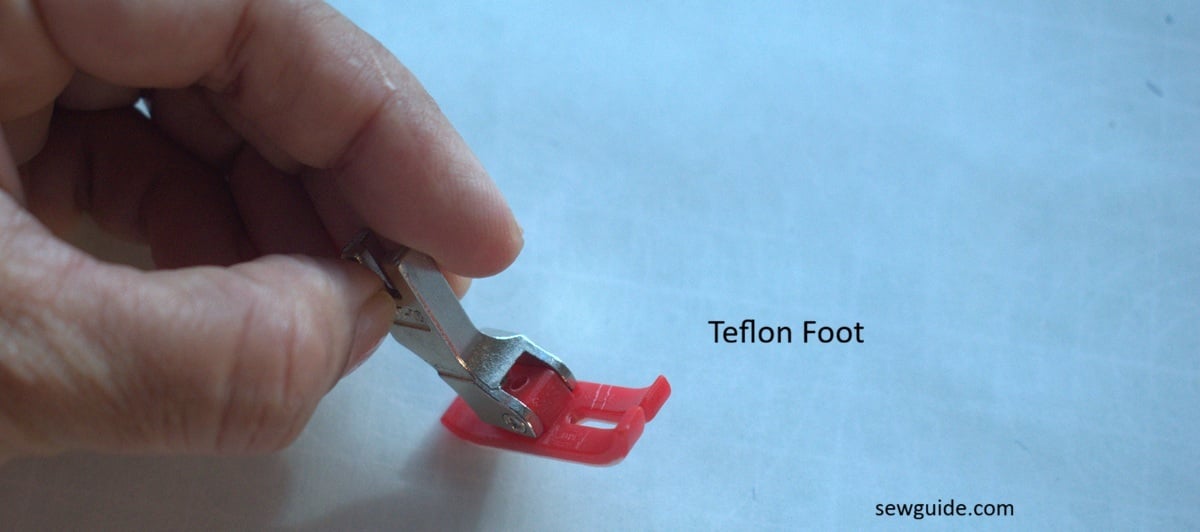
You will have to use a Teflon presser foot.
The coated fabrics are also thicker than your normal fabrics. So all the problems of dealing with thick seams are yours. Sewing these fabrics can dull your sewing machine needles very fast.
Use a non-stick Teflon foot or roller foot, size 90/14 Microtex needle, polyester thread, and 3.0–3.5 mm stitch length to reduce perforation damage.
| Fabric Type | Recommended Needle | Special Sewing Notes |
|---|---|---|
| PVC / Vinyl-Coated Fabric | 90/14–100/16 Microtex | Use a Teflon foot and a slightly longer stitch length to prevent perforation and sticking.Use Bonded polyester thread for outdoor projects |
| PU-Coated Fabric | 90/14 Microtex | Reduce presser-foot pressure if feeding becomes uneven. |
| Waxed Canvas | 100/16 Jeans Needle | Use clips instead of pins where possible; avoid excessive ironing. |
| Silicone-Coated Ripstop | 80/12 Microtex | Use a sharp needle and test on scraps to prevent seam puckering.Use a walking foot as it may be slippery |
The coating on the surface can be destroyed easily, so you have to care for it as if it is a delicate fabric. You can clean it with a damp sponge gently. Do not use softeners or harsh detergents to wash it. Dry flat.
When sewing you may want to prewash fabrics to avoid shrinking later but you are better off if you skip this step with this material.
Heat is a big no no with all coated fabrics – heat in the dryer or hot water washing in the washing machine or hot iron, even sunlight are all to be avoided.
If your coated material gets wet, just wipe off with a clean cloth and leave to dry naturally.
The most common issues with coated fabrics are cracking in the surface coating, becoming sticky and also fabric becoming brittle. Exposure to UV rays of the sun is one cause. Cold weather can cause brittleness.
Reference : Fabric Sewing Guide by Claire Shaeffer.
More like this:


