Recently I bought a gown – it looked beautiful and the fit mentioned on the website was exact – but when it arrived, there was one small problem that ruined everything – despite the fact that it looked beautiful when worn – the bodylining inside pinched and the strap pulled tight. The lining’s body rise was too short.
As a result, the body lining inside the dress pulled at the crotch. And it looked bad on the outside too.
Lesson learned : Rise length affects comfort more than waist size in most lower-body garments.
Body Rise vs Crotch Depth
Though I said mentioned measurement and body rise in the same sentence . There is a difference between them. Body rise is more important in garments like leotard, and body linings; and crotch measurement is used in pants and other lower body garments starting with a waistband – for which this is front crotch seam and back crotch seam.
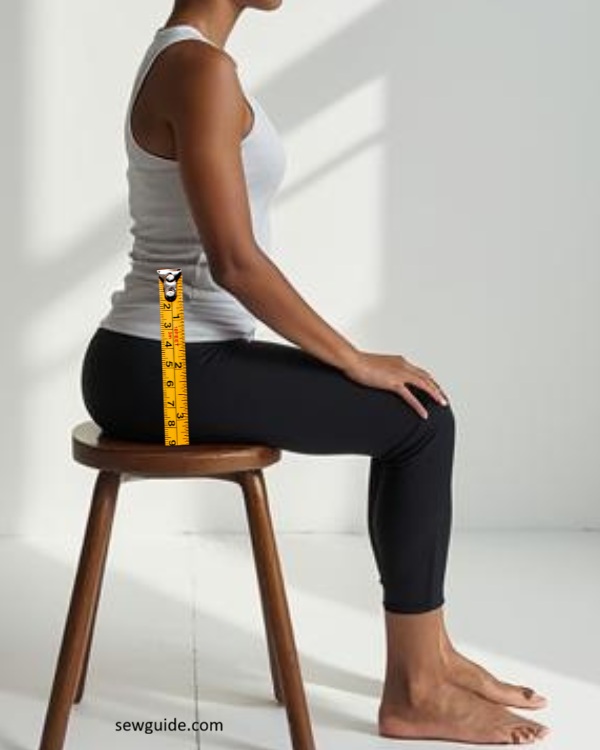
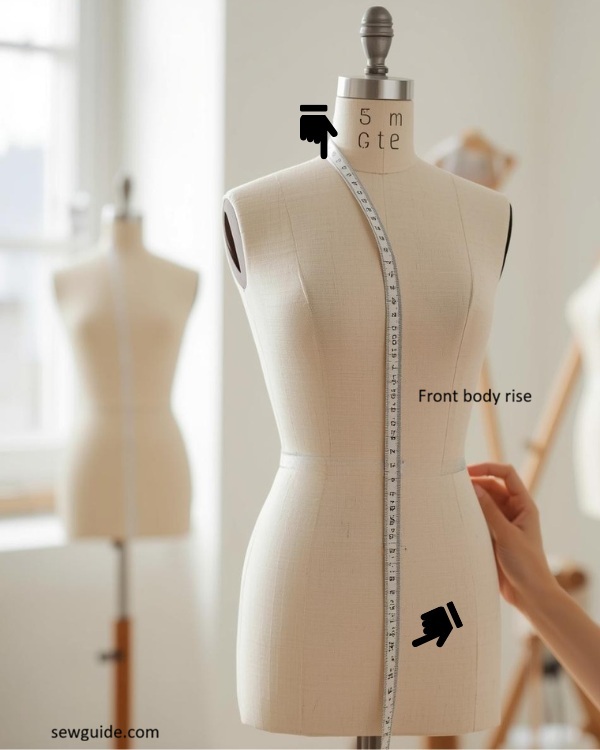
The crotch measurement is the waistline to crotch curve. It is taken while sitting down and it is the measurement taken from your natural waist to the surface you are sitting on. The body rise is measured from shoulder to crotch and then back to the shoulder along the back of the body.
Body Rise alteration for the body lining.
The body lining was riding up and it was very uncomfortable. What I did was add an extension to the strap at the crotch. I could also have slashed and spread the clothing at the waist but this alteration was easier on the lining.
You can find the alteration video here:
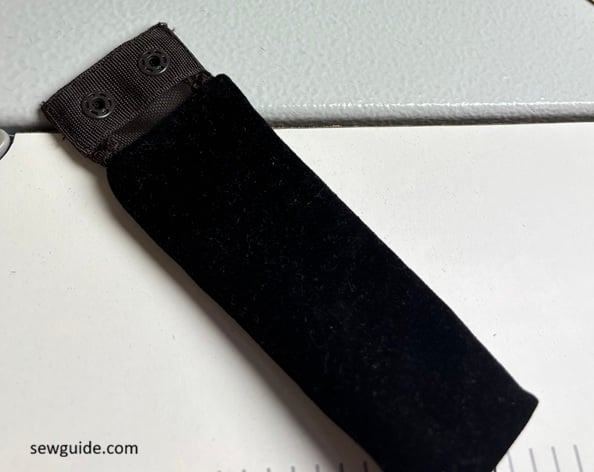
Cut out the hook side of the lining. Keep it upside down inside a fabric piece. You will be enclosing the strap piece and sewing over it.
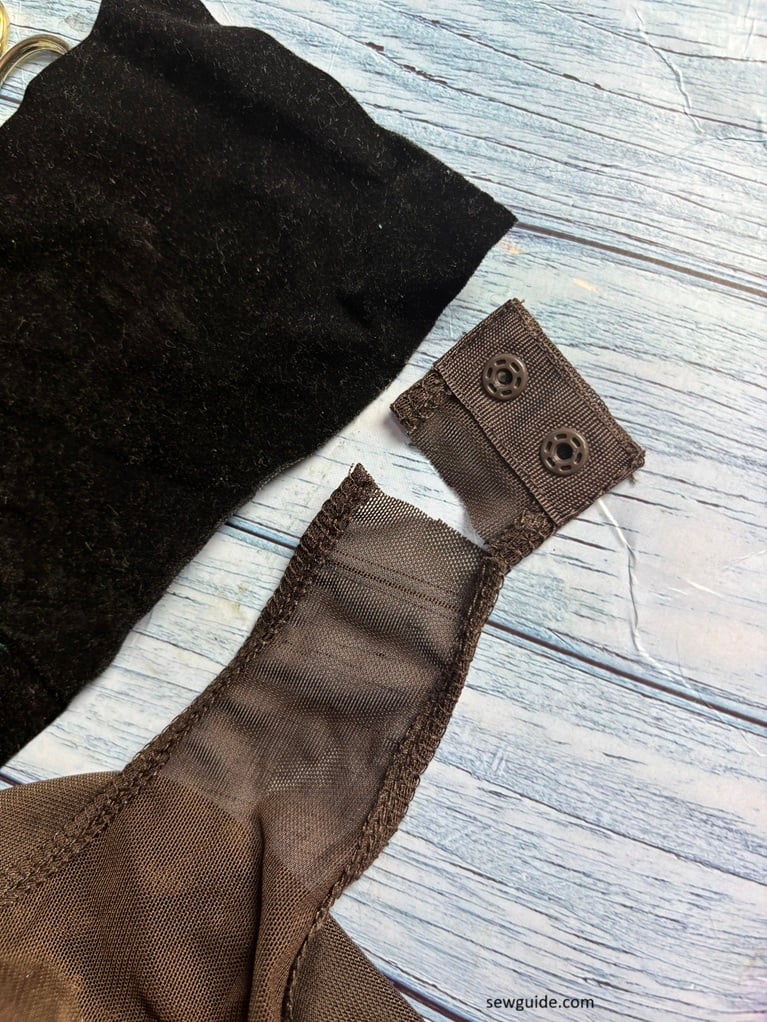
Ensure that you are not sewing over the strap at the sides as you sew the fabric piece edges together.
This was salvageable by making this extension because it was inside the garment. Imagine if the crotch is tight on a pair of pant. You will not be able to sit. If the body rise is too much it will wrinkle a lot, but if it is too tight, your movements are affected.
For most clothes you can increase the body rise by adding length to strap at the shoulder or add an extended panel at the waist. To add crotch length on a pant, a better alternative than adding unwanted gussets etc is to increase the width of the waistband. Adding a gusset or extension at the crotch will be the last resort, unless you are an expert and has the same fabric as the pant.
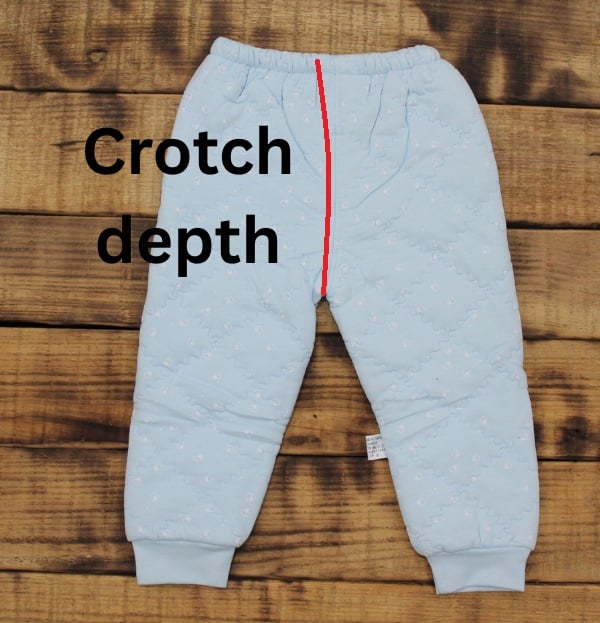
Have you ever wondered, “Why do the pants feel tight when sitting?”; even after you got it in the correct size- it is a problem with the measurement.
The body rise is particularly important for correct trouser fit – it alters your sitting comfort. Pants can twist and pull after sewing or sag due to incorrect crotch or rise balance. In pattern alterations and fit adjustments the crotch measurement is a frequent headache – one that can go very wrong, if you are not careful.
Then, there are still garments where you leave a lot of body rise extra like for a drop crotch pant or the harem pants.
How to measure crotch depth
To alter the crotch length on the pattern, you will be making changes in the horizontal crotch depth line down from the waist- this line intersects the center-front and center-back.
Actually pattern companies have it difficult because two people with the same bust or hip can have very different rises and crotch measurement.
When taking measurement on a body, the person has to sit straight on a chair – for better measurement.
Is there a standard measurement for this?
There is no standard size, but there can be a standard range. You can find it in this table – these are drafting reference ranges for crotch depth, not exact body measurements.
| Hip measure (8 inch below waistline) | Crotch depth from natural waist |
|---|---|
| 32″ | 9″ |
| 34″ | 9.5 -10″ |
| 36″ | 10.5″ |
| 38″ | 11.5″ |
| 40″ | 11.5″ to 12″ |
| 42″ | 12.25″ |
| 44″ | 12.5″ |
| 46″ | 13″ |
| 48″ | 13.5″ |
| 50″ | 14″ |
| 52″ | 14.5″ |
| 54″ | 15″ |
If you are using stretch fabric this will be different – subtract to account for the stretch. You will also have to account for the height of the person. If you are a petite, or a tall person or one with a long torso all these would change. If you are petite you will have to subtract 1 to 2 inch from this measurement. For a tall person, 2 to 3 inch will have to be added extra.
How to measure body rise
Full body rise is needed only when the garment closes over the shoulders like for a swimsuit or a leotard – this taken around the body. You take the front torso length and back torso length, measured as a loop from shoulder through the crotch and back.
Related post: What is Inseam measurement? ; How to measure a person for clothes