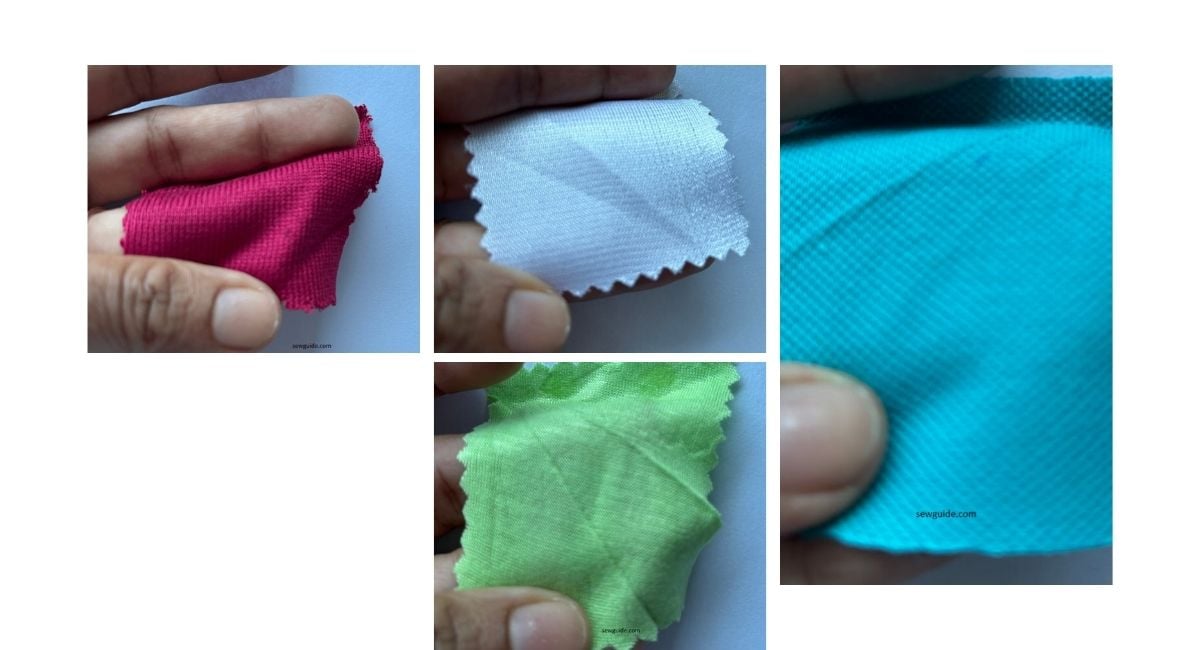
To tell you the truth, I have a love-hate relationship with cotton knits. I do not have a serger and with experience, I will compare them to a “toxic ex” – who we know will cause drama and trauma, but we keep going back because they make you look good. There is a saying in our place – it is something so sweet you cannot spit it out nor can you swallow it because it is so bitter. As a sewist I dread sewing with these stretchy kinds of fabrics but, as a wearer of clothes, there is no avoiding it.
Especially so if you have a clothing business. Anything people love wearing like comfy tanks and tees, leggings , pajamas, baby clothes, or workout gear, cardigans and skirts – you name it, people love it in cotton knits. By using the correct needle, adjusting the stitch type / length and if possible presser foot pressure and using proper stabilizer you can sew all that and not get bitter about sewing altogether. One major warning from experience – do not pull the fabric as you sew; it will stretch out of shape.
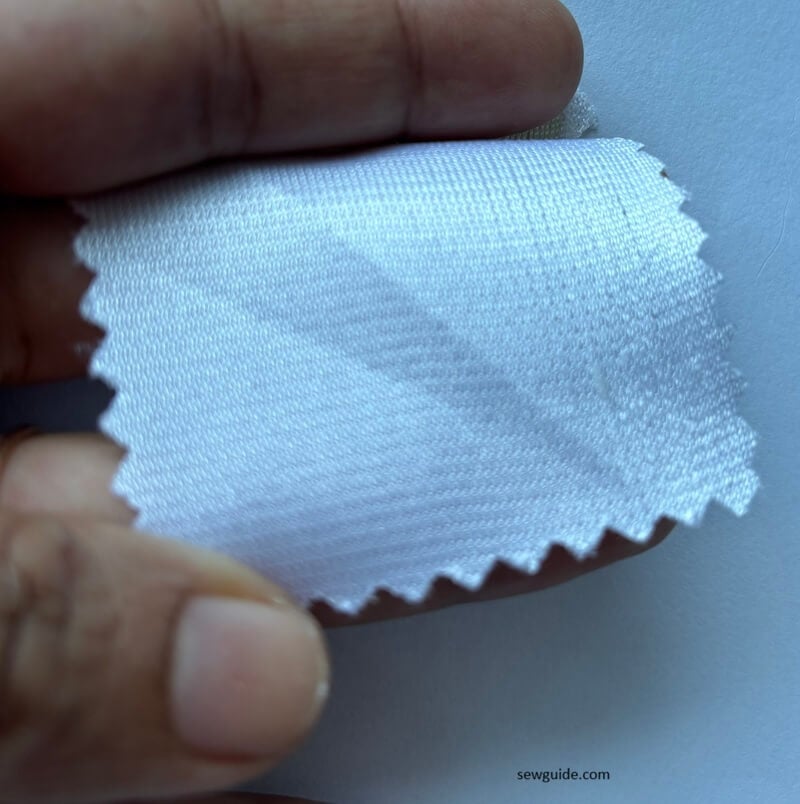
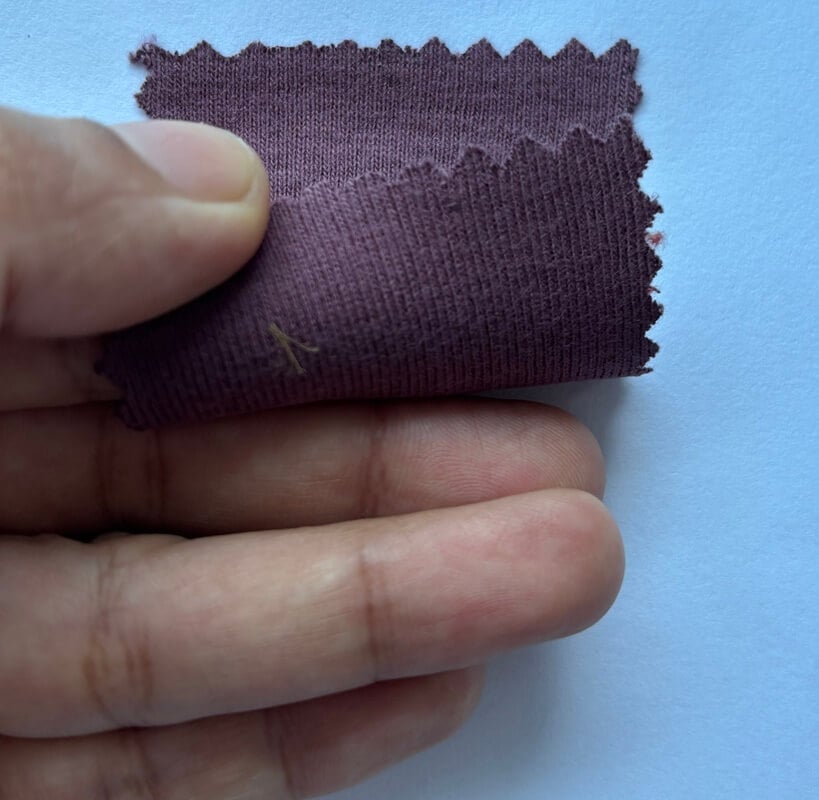
A fine, warp-knit fabric with a smooth face and textured back, used for athletic wear and linings.
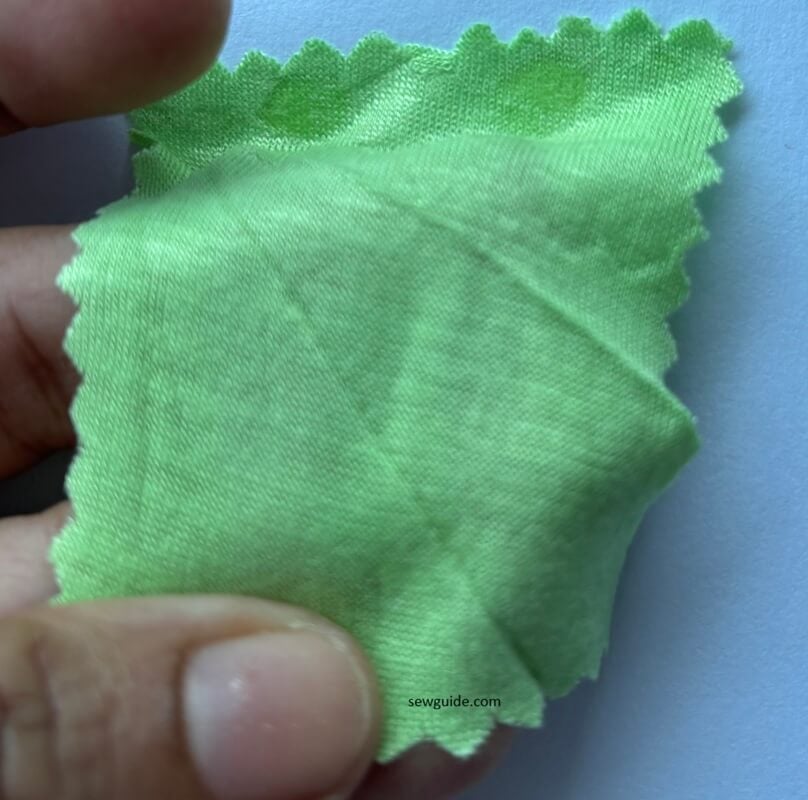
A lightweight, stretchy knit with a distinct smooth side, primarily used for comfortable t-shirts.
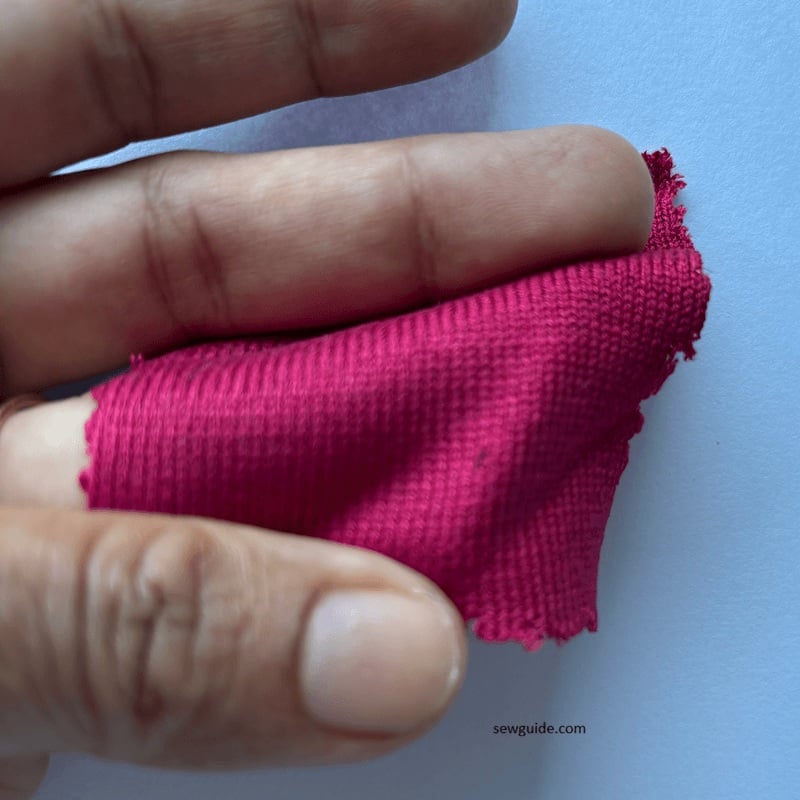
A substantial, thick fabric with high insulation, ideal for structured winter cardigans and coats.
But, how do we sew with these on our sewing machines without fabric disappearing into the pit, or thread breaking every 15 seconds or the fabric looking like a plucked chicken?.
The secret is in the peripherals – I mean, the needles, interfacing, presser foot and the other stuff we use with the fabrics.
The most used cotton knits are Cotton Jersey knit, Rib Knits, French Terry / Terrycloth knit, Interlock knits,
Cotton/Modal Knit, Cotton Lycra knits, Slub Knit, Sweater Knit, Double Knit and French yarn dye knits. None of them are similar in their drape, weight and thickness.
Here is a chart showing the main points to deal with these fabrics, their thickness, drape and the sewing details in a nutshell. According to textile classification methods, cotton knits belong to the category of natural fiber knitted textiles. Read more about textile classification and textile types here.
Read on to find more details about the specific types of cotton knits.Cotton Jersey
SpecialityThickness: Thin. Weight: Light to Mid. Drape: Soft and fluid with moderate stretch.
How to SewHandle gently to avoid curling edges. Use ballpoint needles. For thin cotton jersey use 70/10 sewing machine needle. Interfacing: Light-weight knit fusible tricot interfacing.
Rib Knits
SpecialityThickness: Medium. Weight: Mid-weight. Drape: High elasticity with vertical ridges; excellent recovery.
How to SewUse a walking foot. Sewing needle: 80/12. If possible, turn the pressure dial down to stop “squishing” the ribbing flat. Seams do not require finishing, as the fabric does not ravel.Interfacing: Clear elastic or knit stay-tape.
French Terry
SpecialityThickness: Medium-Thick. Weight: Heavy. Drape: Structured with looped back texture.
How to SewSerge or zigzag edges to prevent loop shedding. Decrease tension slightly. Interfacing: Medium-weight fusible knit stay tape.
Interlock Knits
SpecialityThickness: Thick. Weight: Mid-to-Heavy. Drape: Stable, firm, and looks same on both sides.
How to SewVery stable; easy to sew as it does not curl. Use a standard stretch stitch. Sewing needle: 80/12. Interfacing: Lightweight woven fusible.
Cotton/Modal Knit
SpecialityThickness: Very Thin. Weight: Very Light. Drape: High, silky, “liquid” drape; slippery texture.
How to SewNeedle: 70/10; Use plenty of clips and a fine microtex needle to avoid snags. Interfacing: Sheer-weight fusible tricot.
Cotton Lycra
SpecialityThickness: Medium. Weight: Mid-weight. Drape: Snug fit with high 4-way stretch and recovery.
How to SewRequires a 4-thread serger or narrow zigzag. Use a 11/75 or a 80/12 needle – stretch or Jersey needles are better. Interfacing: All-way stretch fusible.
Slub Knit
SpecialityThickness: Varied. Weight: Light. Drape: Casual, breezy, and slightly sheer.
How to SewNeedle: 70/10; Avoid high-tension stitches that may pull at the thinner sections. Interfacing: ‘Whisper’ weight weft-insertion.
Sweater Knit
SpecialityThickness: Very Thick. Weight: Heavy. Drape: Chunky, soft, and very warm.
How to SewAlways stabilize shoulder seams. Use a long stitch length. Use 90/14 needle. Interfacing: Heavy-duty knit fusible or twill tape.
Double Knit
SpecialityThickness: Thick. Weight: Heavy. Drape: Stiff, structured, and very low stretch.
How to SewSimilar to sewing woven fabrics. Use a size 90/14 needle. Interfacing: Firm knit interfacing or woven lightweight.
French Yarn Dye
SpecialityThickness: Medium. Weight: Mid-weight. Drape: Soft but holds shape; patterns are woven in.
How to SewThese are premium knits with the fibers dyed before they are made into the fabric. Align stripes/patterns during cutting and pinning. Use 80/12 or 75/11 needle. Interfacing: Standard knit stay tape for necklines.
There are some common rules of sewing cotton knits. The first one is totally unavoidable.
Prewashing
All cotton shrink. Even the ones with spandex fibers. So before you even thinking of picking up the scissors, prewash. Preferably in warm water. Do not use bleach, especially on the ones with spandex.
Using the correct needle and thread
The most common problem when sewing with knits is skipping stitches. And it can usually be solved by using the ballpoint needle (some call it the Jersey needle) of size 12/80.
I use polyester thread. You can also use cotton-poly blend thread, which will be perfect.
Interfacing.
You do not need to interface knits like you do cotton wovens. But some areas like the collars may need some reinforcement. Regular interfacing cannot be used with cotton knits, as they kill stretch. The basic rule to follow is to match the stretch of the interfacing to the cotton knit you are using it on.
Experts recommend using light-weight knit fusible tricot interfacing. Swimwear mesh is another choice and need not be ironed on the fabric, which can interfere with the drape.
Sewing machine settings
I am assumung that you do not have the serger. Sergers make cotton knit sewing easy and you wouldnt have read this much further.
If you only have a regular sewing machine, use the zigzag stitch. Using the straight stitch is a guarantee for failure – the stitches will pop, just out of the sewing machine. You wouln’t even have to wear the dress.
A tight width of 1.5 would be good for the zig zag stitch on all these knits. As for length go for a medium length – for me this is 2.
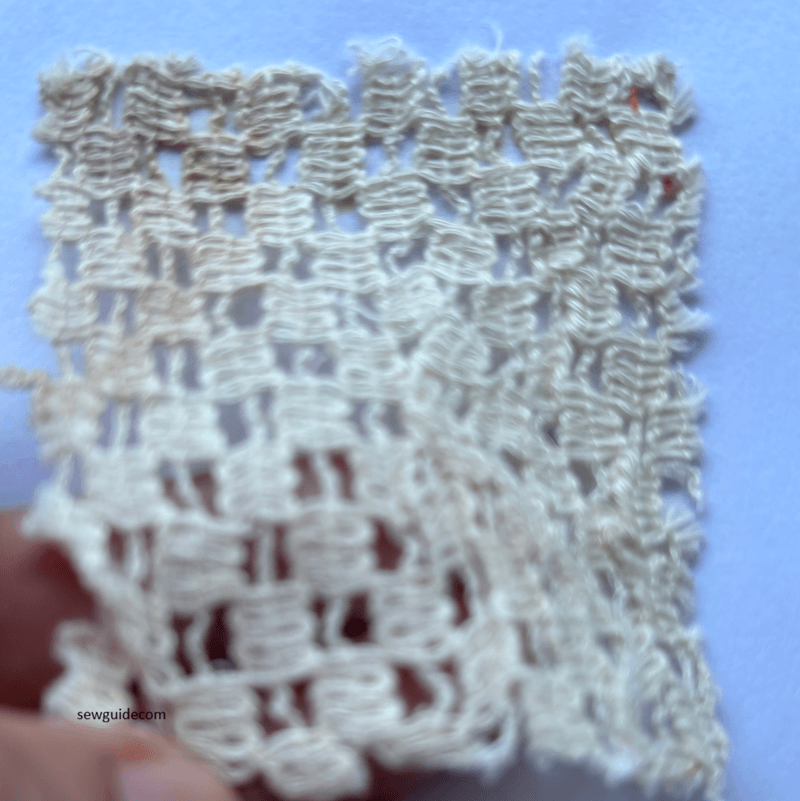
Open, lace-like stable structure; run-resistant warp knit.
How to Sew:
Needle: 80/12 Ballpoint.
Interfacing: Stay-tape or clear elastic in seams.
Lightweight, smooth, and run-resistant with high cross-stretch.
How to Sew:
Needle: 70/10 Ballpoint.
Interfacing: Ultra-lightweight sheer tricot fusible.
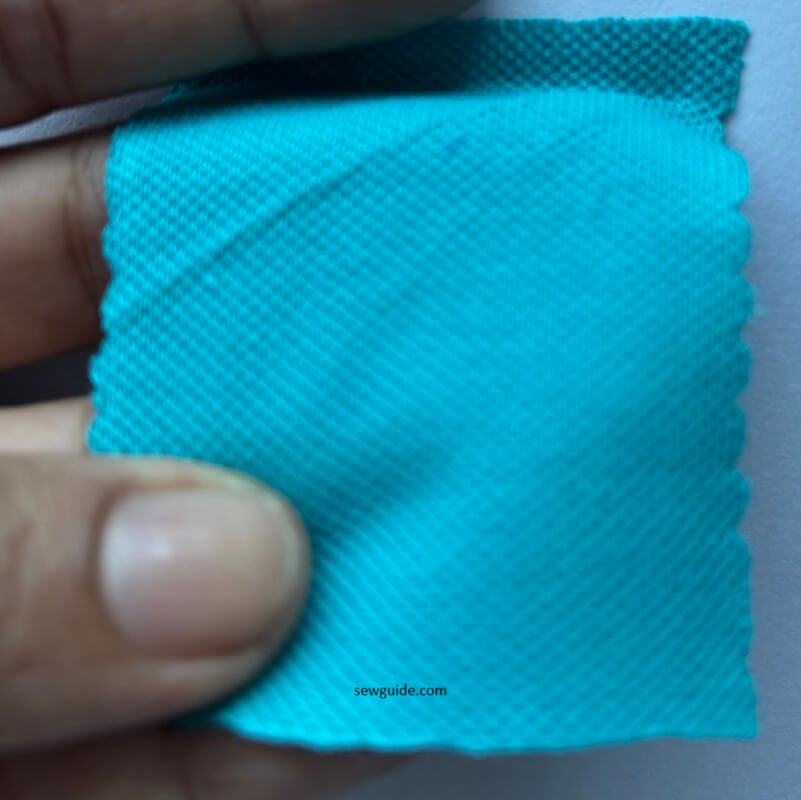
Geometric honeycomb texture; breathable and highly stable.
How to Sew:
Needle: 80/12 Ballpoint.
Interfacing: Lightweight woven or knit fusible.
When sewing hems, the best is to use a twin needle to get that store bought look. The twin needle creates a double line stitch which looks like a coverstitch. Use Stretch twin needles, of size 2.5/75 and 4.0/75 for this on thin fabrics like cotton lycra and cotton jersey.
And as for the presser foot, do not use just the zig zag foot, go for a Walking Foot. If you can, try reducing the pressure of the presser foot.
This is the most standard setting for cotton knits. If you want for specific fabrics, refer the table above.
| Setting | Recommended Value | Purpose |
|---|---|---|
| Needle | 75/11 Ballpoint | Prevents loop damage |
| Thread | Polyester all-purpose | Better recovery/stretch |
| Stitch Length | 2.8–3.2 mm | Prevents compression ripples |
| Presser Pressure | Reduced 20–40% | Stops stretching while feeding |
| Stabilizer | Wash-away or clear elastic | Controls seam growth |
When you start sewing, to prevent the needle plate eating the material , use a Leaders cloth, a scrap piece of fabric you start sewing on before hitting your actual fabric. It is a life saver, if you have this issue.
Do not let these instructions and care warnings scare you from making things with some of the most comfortable fabrics on earth. Here is a list of the things you can sew with these materials
This fabric is used to create delicate necklines, lightweight camisoles, and snug baby garments.
It is the best choice for standard sleeve cuffs, waistbands, and fitted tank tops.
Use this for chunky beanies, statement sweater cuffs, and heavy cardigans.
This is perfect for making retro-style turtlenecks and textured midi-length skirts.
It works best for fine layering pieces and lightweight, form-fitting tees.
This is used for making cozy joggers, hoodies, and casual lounge sweatshirts.
It is ideal for high-quality polo shirts, baby sleepsuits, and stable knit tops.
Best for form fitting clothes. Make camisoles, drapey tunics, luxury nightgowns, and flowy maxi dresses with this silky fabric.
This is used for athletic leggings, bicycle shorts, and fitted headbands.
Use this for eco-friendly t-shirts, baby onesies, and soft everyday basics.
It creates textured fashion tees and relaxed layering sweaters for summer.
This is used to make chunky pullovers, oversized ponchos, and winter scarves.
It is perfect for structured blazers, work trousers, and tailored pencil skirts.
Related posts: Embroidering letters on your cotton knit tshirts – the 4 easy ways (without an embroidery machine); All about cotton fabric types ;Sewing tips for Woven cotton fabric; How is cotton made


